The painter and organiser of the Contemporary British Painting Prize on why an artist-led award matters, what really goes on behind the scenes and how to give your entry the best chance…
At a time when many open calls can feel opaque, Paula MacArthur has helped to build a different kind of platform for UK painters: the Contemporary British Painting Prize. Run by volunteer artists and offering a £20,000 prize fund plus touring exhibitions, it aims to stay affordable, transparent and genuinely supportive. Here Paula explains how it works, why it has gone biennial, and how artists can make their entries stand out.
The prize was started in 2016 by Robert Priseman. He was one of the founders of the artist-led group, Contemporary British Painting, with the aim of promoting 21st Century painting and the prize became an extension of the membership. His aim, and the continued aim of the group, is to promote contemporary painting in all its many and varied forms. The prize became an important part of this, it is a great way to see a cross-section of what is happening right now in the UK. I am in the privileged position of being able to see the entries as they come in, there is always such an extraordinary variety of work, it can be quite mind-boggling, and I always come across new and exciting painters I would probably never have otherwise discovered.
Back in 2018, I was asked to be a prize selector, it was a daunting and difficult task, incredibly difficult to narrow my selection down to fifteen painters. Since then, the number of entries has doubled, and last time the selectors all looked at over 6000 paintings. Selection has become an epic feat, so I do take my hat off to the members who take on this responsibility.
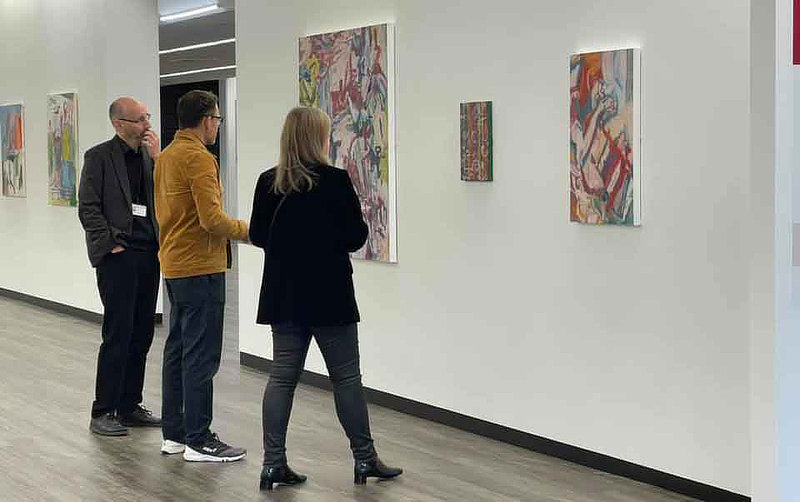
We started small, and initially there just wasn’t any money to pay anyone, but it’s important to us to create a prize that we would be proud to be part of ourselves. We have to charge an entry fee to help cover our costs but we do aim to keep this as low as possible. To put it simply, if we paid ourselves the entry fee would have to go up. Prizes can be expensive, and I don’t just mean the entry fees, if your work is accepted, there’s shipping and often travel & accommodation to take into account too. That’s why we introduced an exhibitors fee of £400, to help cover all the costs associated with exhibiting. It’s important to us that the exhibitors are able to come to the private views and we make it a bit of a celebration, making sure that everyone feels part of the CBP family and makes some valuable connections along the way.
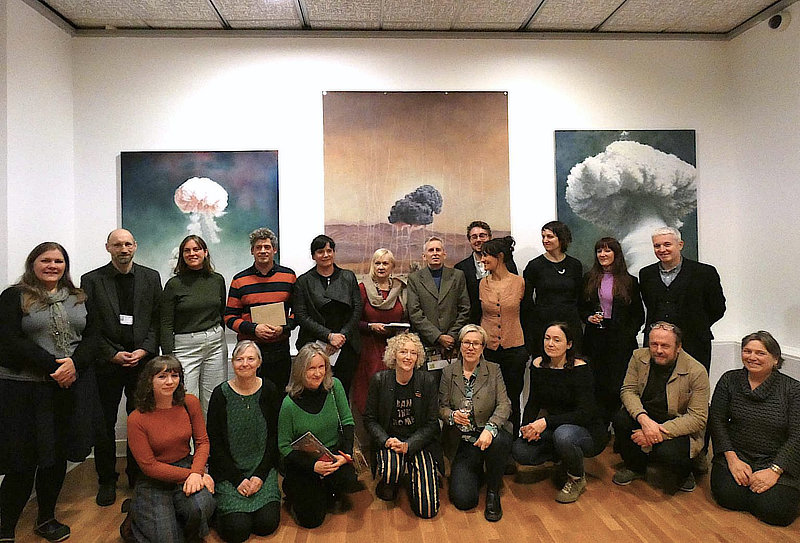
As I said, it was pretty low key to start with, Robert found a small, free gallery space in Richmond, London, but, as always, he was ambitious and secured a prestigious line up of judges and picked a handful of CBP members to select the exhibitors. I remember visiting the show, it included some really memorable paintings. From the start the process was designed to avoid nepotism; a small panel of painter-members select the exhibitors and then the judges arrive the morning before the prize announcement to choose the winner.
In the early days, there was just one main prizewinner, but in 2018 we added a Highly Commended Prize. Thanks to generous donations from art collector John Talbot, we were able to increase the prizes to £8000 and £2000 in 2023. John is an avid collector of Ken Kiff’s work, and through his connection we are extremely pleased to say that this year the donation comes from the Ken Kiff Estate; we are delighted to be associated with such a visionary painter.
In 2024, Lubaina Himid also made a much appreciated donation to help with the costs of running the prize. Having the support of such a ground-breaking painter doesn’t only help balance the books, it’s really great validation to get this kind of endorsement and recognition for what we are doing. In addition to this, there’s the Blyth Gallery Exhibition Award which we added in 2023, thanks to CBP member, Mindy Lee, who is curator at Blyth Gallery, where she offers a funded solo or group exhibition to one shortlisted painter. This year we have had to put this on hold due to major gallery refurbishments, but we very much hope it will return in 2028.
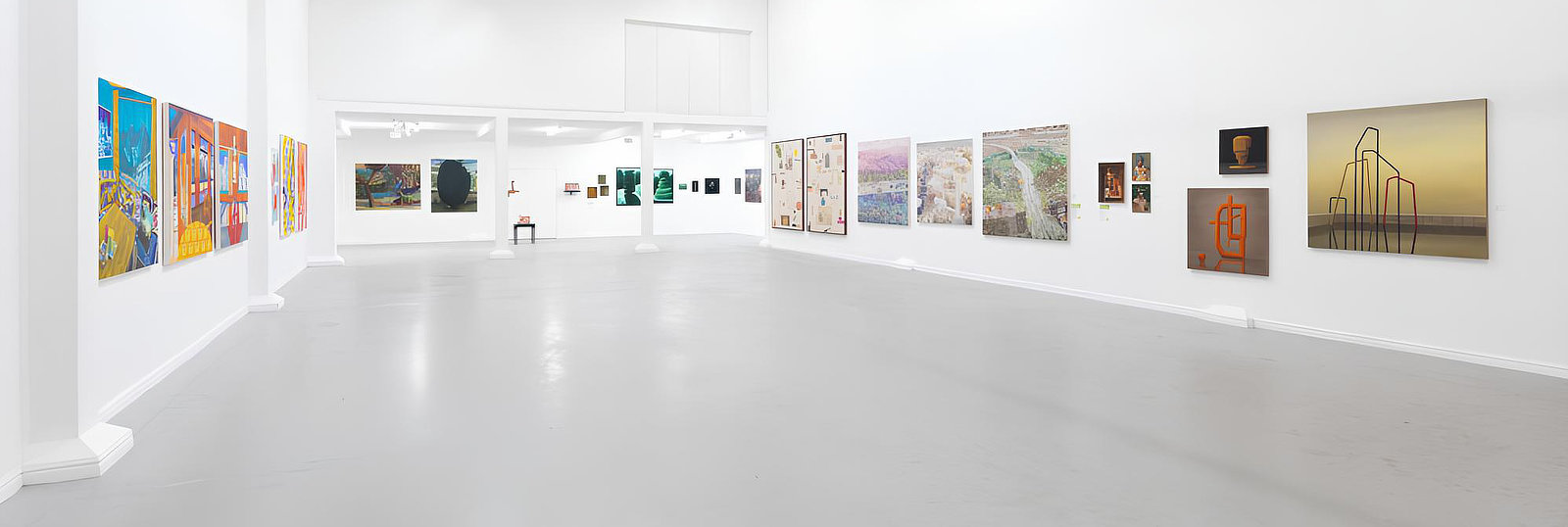
Since 2021 we have toured the exhibition to Thames-side Studios in London, in 2024 it opened at BayArt in Cardiff and toured to Thames-side and Yorkshire Art Space in Sheffield. These spaces are all artist-led spaces with studios which feels like a perfect fit for us.
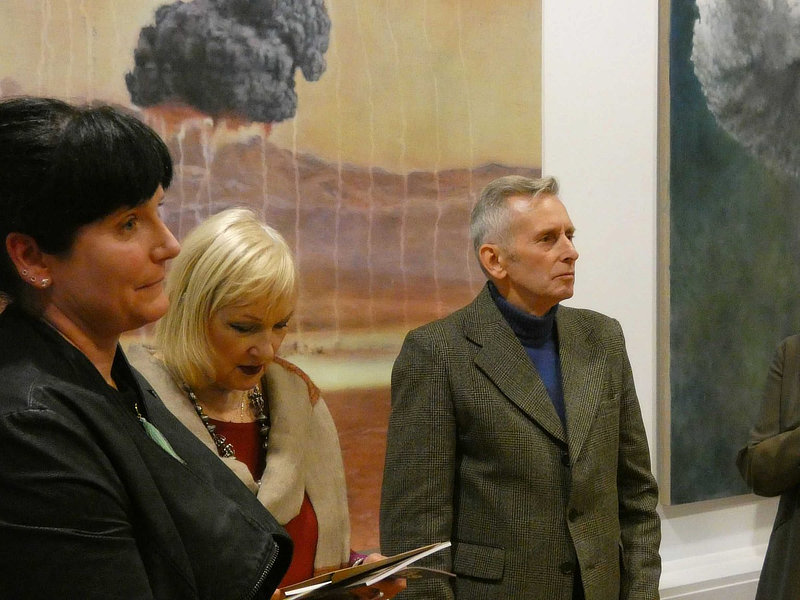
The first two exhibitions showed one painting each by twelve painters. These were relatively small exhibitions but exhibitors included several painters who went on to become members of the group and others, such as Jadé Fadojutimi and Louise Giovanelli who were fresh out of art school, and shortly afterwards shot to artworld stardom. From the start, unlike many other open calls, the prize has been open to students; we really do want to see painting from across the board, no matter what stage you’re at in your career, we don’t ask for a CV or biography, just a short artist statement, everyone’s entry is considered equally by experienced painters.
The third exhibition took place at Huddersfield Art Gallery in 2018, and we continue to work with Grant Scanlan who’s the curator there. He’ll be curating the prize exhibition as part of the ‘Huddersfield Curates’ programme while their ambitious new building project is in progress. In this new larger venue, we were able to exhibit three paintings by each of the shortlisted painters for the first time, which we feel gives a more rounded overview of everyone’s practice. We are very much looking forward to returning to Huddersfield once it reopens in its brand new home. This was the year I was one of the selectors, and the first year the exhibition toured. Matthew Krishanu organised the prize that year, I helped curate the show when it came to the Menier Gallery, and as well as the private view we had a fantastic finissage event; one of the judges that year, Matthew Collings, led all the exhibitors in a walk and talk event, his insights into the work and generosity towards the exhibitors was absolutely wonderful. After the show ended and the paintings were all packed up, Matthew Krishanu phoned to ask if I would like to take the reins. It was a big responsibility but he eventually twisted my arm, and here I am!
“Since 2019 I’ve organised the prize with help from a small team of CBP members who take time out of the studio to help voluntarily, it’s a team. Thanks to Phil Illingworth, Natalie Dowse, Joanna Whittle, Narbi Price and several others who help promote everything on socials, look after the finances, and help make the shows happen. Each year it has taken up more and more of our time, and after a great deal of consideration, we decided to make this a biennial prize and give ourselves every other year off. We were concerned that this might be received negatively, but we got a very positive reaction when we announced it; it seems painters around the country are keen to spend more time in their studios to develop work to submit. Hearing that was really heartening, and looking at the entries that have come in so far this year, I think our decision has paid off. There really is lots of exciting work in the mix already.”
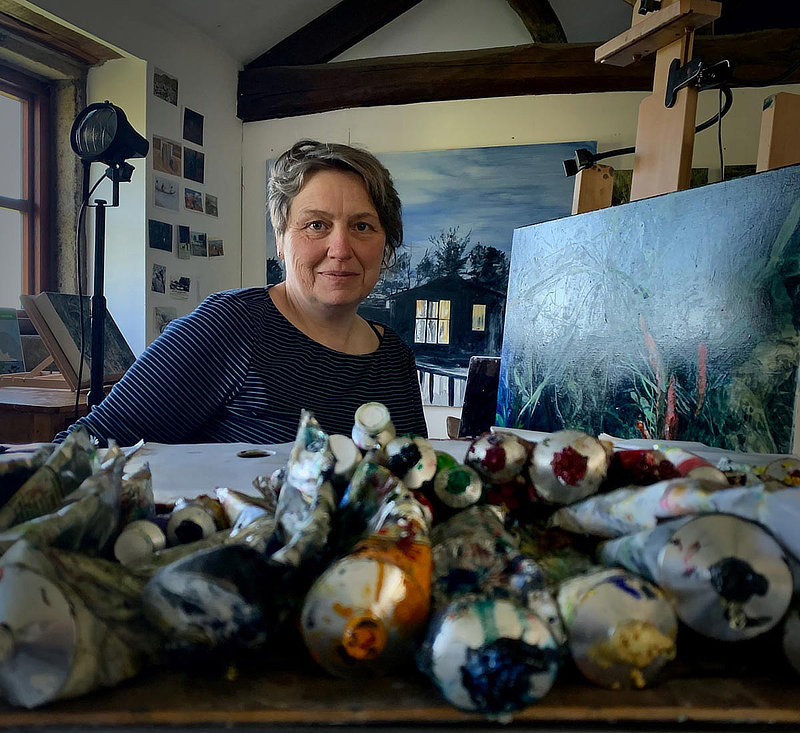
Judith Tucker was a longstanding and much loved member of CBP, and Senior Lecturer at University of Leeds. In November 2023 Judith was tragically killed in a traffic accident. Through her painting and teaching she touched so many people’s lives, and still holds a special place in many people’s hearts. Judith became Vice-Chair in 2020 when I was Chair and through working together we became good friends. Together we implemented a constitution for the group to ensure the group’s long-term continuation as a fair and democratic organisation. She took over as Chair when I stood down in early 2023. Her partner, Harriet Tarlo, set up a memorial fund in Judith’s name and along with Griselda Pollock and Lubaina Himid and Judith’s two sisters, the prize was born. Judith was such an important figure within CBP, it made total sense for us to team up. Two prizes are offered in Judith’s memory, to a woman artist based in the U.K. whose practice explores the relations between memory, place, environment and landscape through contemporary painting; themes which resonate with Judith’s own painting practice. This year these prizes will be again selected by Harriet and Griselda, and joining them will be painter Hannah Brown, whose work was included in two exhibitions curated by Judith.
This year we also have another new prize, the YAS Prize; Georgina Kettlewell, director at Yorkshire Art Space, will select one shortlisted painter for a funded solo exhibition which will take place in Autumn 2027 alongside a Contemporary British Painting members show. All the exhibiting painters will be eligible for this prize, it’s an exciting opportunity, the gallery space is stunning, and all the team at YAS have been so welcoming and generous to us all, it’s a pleasure to be working with them.
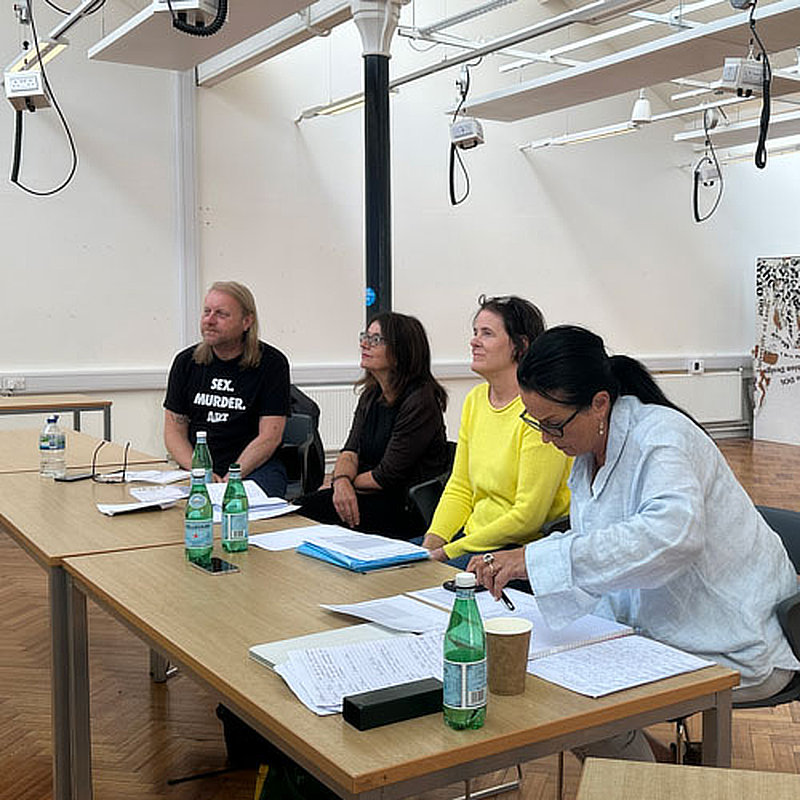
Organising takes up a significant proportion of our time, there’s a lot to think about. I choose the four selectors in conversation with the prize team, aiming for a balanced range of approaches to painting and between us we draw up a wish list of judges and contact them, which in itself can take a significant amount of time and research. This year our selectors are Iain Andrews, Daniel H Bell, Rachel Lancaster and Emma Tod and our judges are Georgina Kettlewell, Director at Yorkshire Art Space, Katherine Lloyd, museum and exhibitions professional who has worked extensively on the John Moores Painting Prize and the Painter, Ryan Mosley. You can find out more about them all on our website. Each year we tweak the wording of the open call, there’s always something new to add and we regularly update the FAQs – do please read them carefully before contacting us!! We communicate with our two exhibition hosts Phil Ashcroft at Thames-side Studios Gallery and the team at YAS, agreeing dates and all the practical stuff from delivering the paintings to who’ll be making speeches and presenting the prizes. There’s also the catalogues, which have been designed by ID Projects, two painters from our membership who have taken care of everything from gathering the images and text, to the design, print and delivery since the prize started. They also manage the CBP website and newsletter, and we are very fortunate to have them on board!
There’s sometimes a misconception that the entry fee means it’s a big money-making venture. That’s really not the case for us. The fact is, the prize is only made possible due to the incredible hard work of a small team of volunteers from within our membership, including me, who take time out of their own art practices to manage and organise the prize. In fact, we couldn’t cover the costs and prizes without additional support.
The entry fee covers exhibitors’ fees, the selectors and judges, reimbursement of expenses, gallery hire in London, private views and the finissage. We also pay for transporting the paintings between venues, technicians, design and print of two catalogues, gallery invigilation in London, and admin costs including transaction fees and even postage. Anything left over goes towards a reserve for the following prize and other CBP exhibitions.
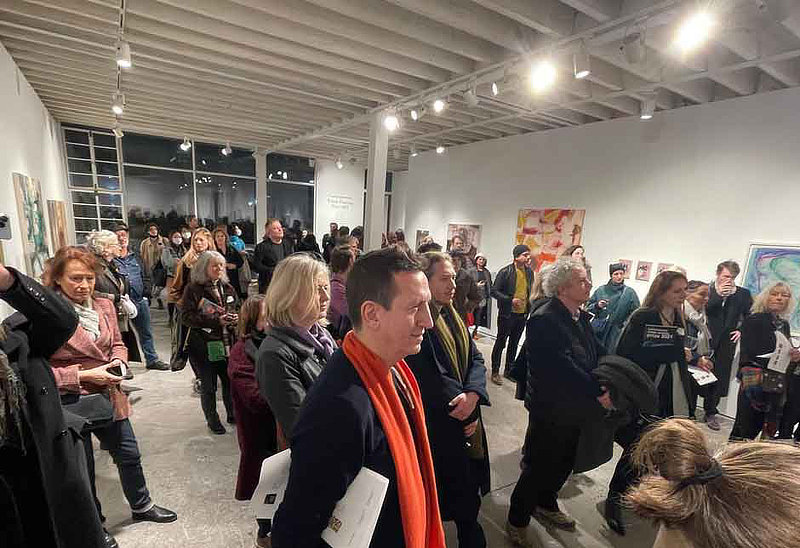
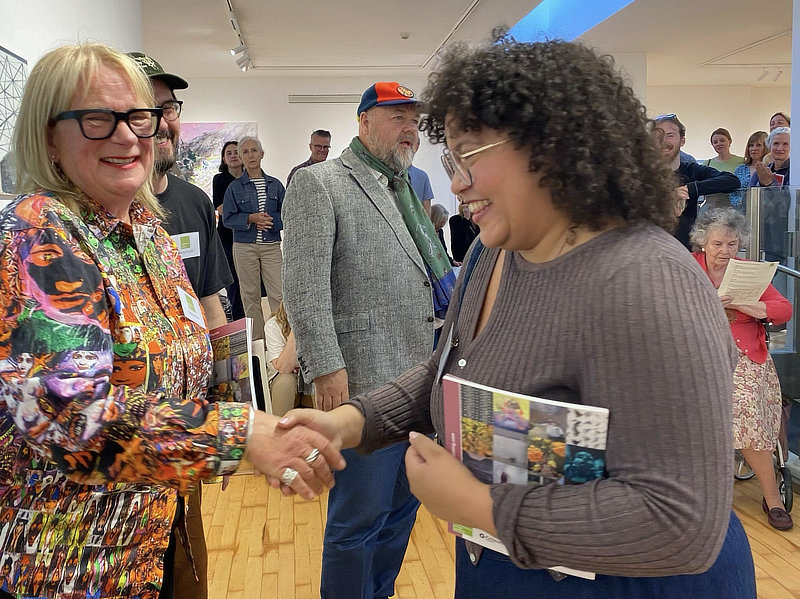
If you enter, you might just win a prize; you’ve got to be in it to win it! The total prize fund this year is over £20,000, the exhibitors get two exhibitions, two catalogues, the exhibitors fee and a couple of fun celebrations with the judges and CBP members.
But what do you get if you don’t get through to the exhibition stage? You might make it onto the long-list and we share all sixty of these painters’ work on our socials. But if not, hopefully you’ll come along to one of the shows and meet us, and get that warm fuzzy feeling inside that you have contributed to a truly wonderful artist-led exhibition, and in addition to that, every entrant will be considered for our Painting of the Day feature on our social media (@paintbritain) As I write, we have almost 39,000 followers on Instagram and we share one painting every day of the year, and now that the prize is biennial, there’s twice as much chance of getting your work featured.
What advice can I give you? When I enter open calls myself, I like to think of the entry fee as a payment to get my work in front of the selectors. That way, it feels much less like paying for a lottery ticket.
To give yourself the best chance of being selected, my top-tip is to get your work professionally photographed. It’s important to show your work at its absolute best without any distracting background, cast shadows or reflections, and make sure the images are in focus and the colour accurately matches the painting. The first time I did this myself, I did actually win a prize! It’s really worth the investment and of course the photos can be used on your website and socials etc too.
We also ask for a short artist statement, not a CV or biography. We don’t tend to take any notice of past exhibition histories, we’re interested in the paintings in their own right, so this is your chance to give us a bit of a deeper insight into your inspiration, motivation and process. It doesn’t need to be written in fancy artspeak, in fact we’d prefer if it wasn’t, be honest and write from the heart. This is an opportunity to think about what makes you tick, what really excites you, as a painter. If you’re excited about it, the chances are, we will be too.
Remember, you can enter and edit your entry right up until the deadline of 11.59 on Monday 8th June. I would also advise that you don’t leave it to that last minute to submit your work, not just because your wifi might go down, or there’s some other emergency and you miss the deadline. For the sake of fairness – and our own sanity – we don’t extend the deadline for anyone I’m afraid. The selection process starts as soon as the deadline passes, we’re on a tight schedule, so we have to get cracking.
Good luck everyone!
Paula MacArthur, May 2026
Thanks so much to Paula for being so generous with her time and illuminating what it takes to run a major UK painting prize.
Visit our page for the Contemporary British Painting Prize or head straight to the official prize website.
You can find out more about Paula MacArthur on the Contemporary British Painting site and Instagram.
If you enjoyed this, explore our other artist interviews.